
The First Year · Feeding
Iron-rich first foods she'll love.
Around six months, her plate becomes a little adventure. Here's why iron matters so much right now, the easy foods that deliver it, and a simple trick that helps her body soak it up.
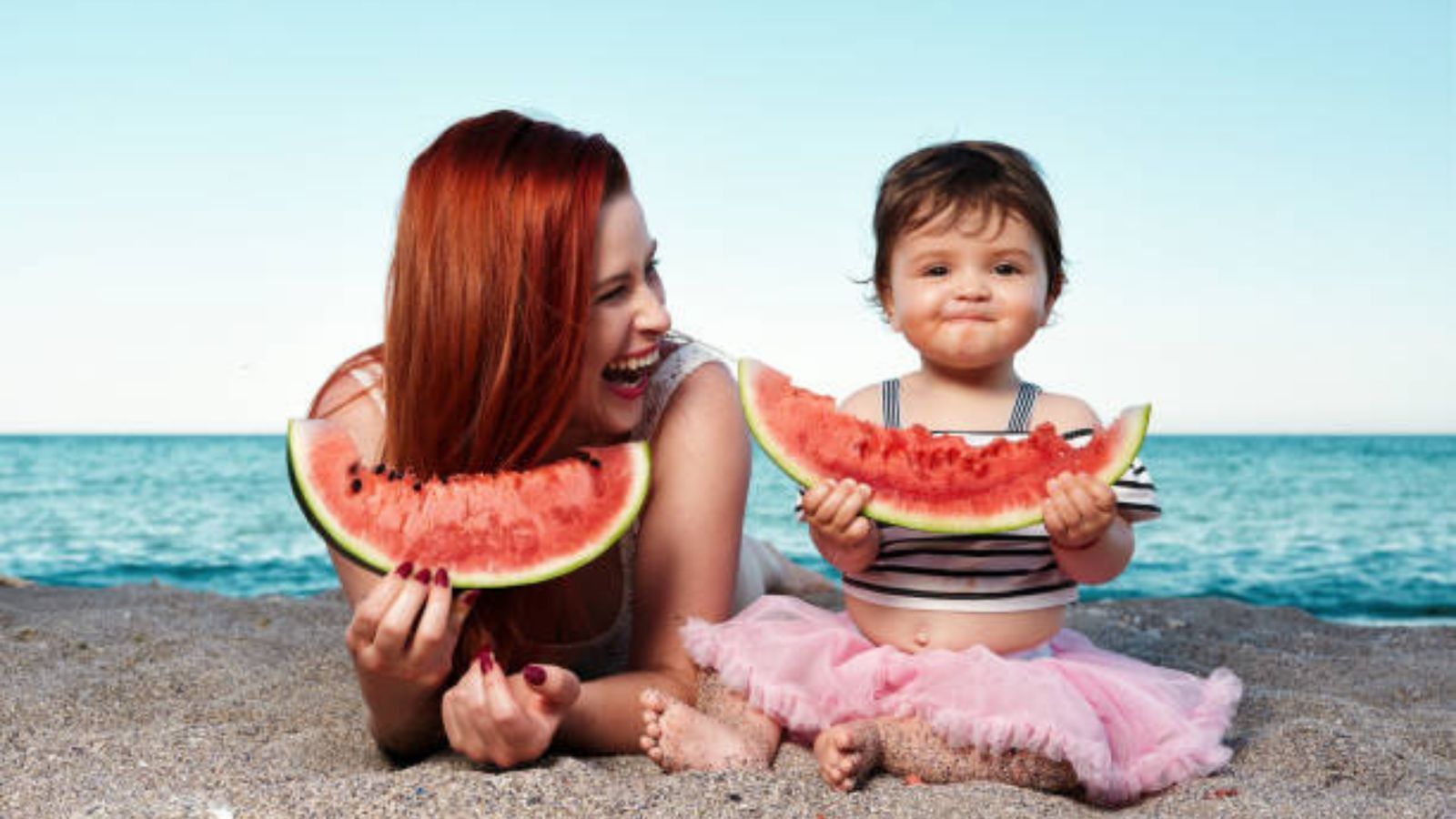
She's sitting tall in her high chair, eyes locked on the spoon. A taste of something new touches her lips, and her whole face changes: surprise, a pause, then a gummy grin. Every new flavor is a tiny discovery, and you get a front-row seat to all of them.
Those first tastes are also a wonderful chance to give her something she needs a lot of right now: iron. The good news is that iron-rich foods are simple, everyday foods, and many of them are perfect first bites.
Why iron matters now
Iron is needed at every stage of her growth and development. It helps red blood cells carry oxygen through her body, supports her brain development and immune system, and helps her grow, pay attention and learn.
Most babies start solid foods at about six months, and that's when it becomes important to offer foods with enough iron to meet her needs. The American Academy of Pediatrics suggests including foods that provide iron and zinc, such as baby food made with meat or iron-fortified cereals.
Easy iron-rich first foods
Iron in food comes in two kinds. Heme iron, found in animal foods, is absorbed more easily. Non-heme iron, found in plant foods and fortified foods, is absorbed less easily, but it's still a great part of her plate.
- Meats and poultry. Beef, pork, lamb, chicken and turkey are rich in heme iron. Puree them smooth at first, and later offer well-cooked, finely chopped pieces.
- Fish and eggs. Fatty fish and eggs also offer heme iron. Soft scrambled eggs are a classic first finger food.
- Iron-fortified infant cereal. If you use cereal, choose one made for babies that is iron fortified. Mix it with breast milk, formula or water. Always serve it from a spoon, never in a bottle.
- Beans and lentils. Cook them until very soft and mash them well, since whole beans can be a choking hazard.
- Tofu. Soft, mild and easy to mash or cut into small, tender pieces.
- Dark green leafy vegetables. Cook them well and puree or chop them finely, mixed into something she already enjoys.
The vitamin C trick
Here's a lovely little habit: pair plant-based iron foods with a food high in vitamin C. Vitamin C helps her body absorb the iron she needs to support her development.
Good vitamin C partners include oranges and other citrus, broccoli, cabbage, berries, papaya, tomatoes and sweet potatoes. Think mashed lentils with a bit of pureed tomato, iron-fortified cereal stirred with mashed berries, or tofu alongside soft sweet potato. Easy, colorful and delicious.
Soft, small and safe
First foods should be soft or pureed. Start with a teaspoon or two and build up slowly. When she's ready for finger foods, make sure everything is soft, easy to swallow and cut into small pieces. Skip tough or large chunks of meat, whole beans, hot dogs and sausages, whole nuts, chunks of nut butter, raw hard vegetables and fruit, and uncut grapes, berries and cherry tomatoes. Mash or cut foods small. Have her sit up while she eats, keep mealtime calm, and stay with her the whole time.
Breast milk, formula and iron
Breast milk or formula is still her main food for now, and both fit beautifully alongside her first iron-rich bites.
- If you're breastfeeding. The American Academy of Pediatrics now recommends iron drops for exclusively breastfed babies starting by 4 months, or by 6 months if your family prefers to wait until iron-rich foods begin. Her 4-month checkup is a lovely time to ask.
- If you're using formula. Standard infant formulas fortified with iron meet her needs through her first 12 months.
- If you're doing both. Talk with her doctor or nurse about her iron needs at her next checkup.
- If she was born early. Preterm babies may need extra iron beyond what they get from breast milk or formula. Her care team will guide you.
New guidance from pediatricians
In the July 2026 issue of Pediatrics, the American Academy of Pediatrics published an updated clinical report on preventing, screening for, diagnosing and treating iron deficiency and iron deficiency anemia in infants, children and teens. It highlights that prevention starts early, including iron drops for exclusively breastfed babies starting by 4 months.
It also notes that after her first birthday, making sure she gets enough iron from food and not too much milk matters for little ones. Her pediatrician can tell you what that looks like for her.
Talk with her pediatrician
Her doctor or nurse will likely check her for anemia at around 12 months. That's a great time to talk about how she's eating and whether she's getting enough iron.
If you have questions about iron, supplements or screening, call her pediatrician. She knows your baby and is happy to help.
A rainbow on her tray
Before long, her tray will look like a painter's palette: orange sweet potato, green peas, a smear of red berries, tender bites of chicken. Every color is a new taste she's learning to love.
Happy tasting, little one. Here's to strong bodies, curious taste buds and many happy meals ahead.
Track every new taste on the way to 100.
Where this comes from
This article draws on guidance from the American Academy of Pediatrics and the Centers for Disease Control and Prevention. It's here to help, not to replace your own doctor, midwife or pediatrician. If you have questions, ask them.
- Iron, Infant and Toddler Nutrition, Centers for Disease Control and Prevention
- Choking Hazards, Infant and Toddler Nutrition, Centers for Disease Control and Prevention
- When Can Babies Start Solid Foods? Readiness & Feeding Tips, American Academy of Pediatrics (HealthyChildren.org)
- Iron Deficiency & Iron Deficiency Anemia: AAP Updates Screening, Prevention & Treatment Guidance, American Academy of Pediatrics (HealthyChildren.org)
- American Academy of Pediatrics Updates Guidance on Prevention, Screening and Treatment for Iron Deficiency in Infants, Children and Teens, American Academy of Pediatrics