
Her · Friendship
Finding your people, one hello at a time.
Somewhere nearby is a mom who gets it without a word of explanation. Here's where to find her, how to say hello, and how to keep the friends who already love you.
You're on a park bench, your baby asleep in the stroller, and the mom beside you says, "Was yours up at three, too?" You both laugh, a real laugh, the kind that loosens your shoulders. Ten minutes later you've swapped numbers, and walking home you feel lighter than you have in weeks. That's the first friend who just gets it.
Motherhood changes your days, your sleep and your schedule, so it makes sense that it changes your friendships, too. The wonderful news is that new moms are everywhere, and many of them are hoping to meet someone just like you.
Where moms meet
The best places are often the ordinary ones, the spots you'd visit anyway.
- Library story time. Free, cozy and full of babies. Arrive a few minutes early, and stay a few minutes after.
- The park or playground. A sunny morning at the same time each week means you'll start seeing familiar faces.
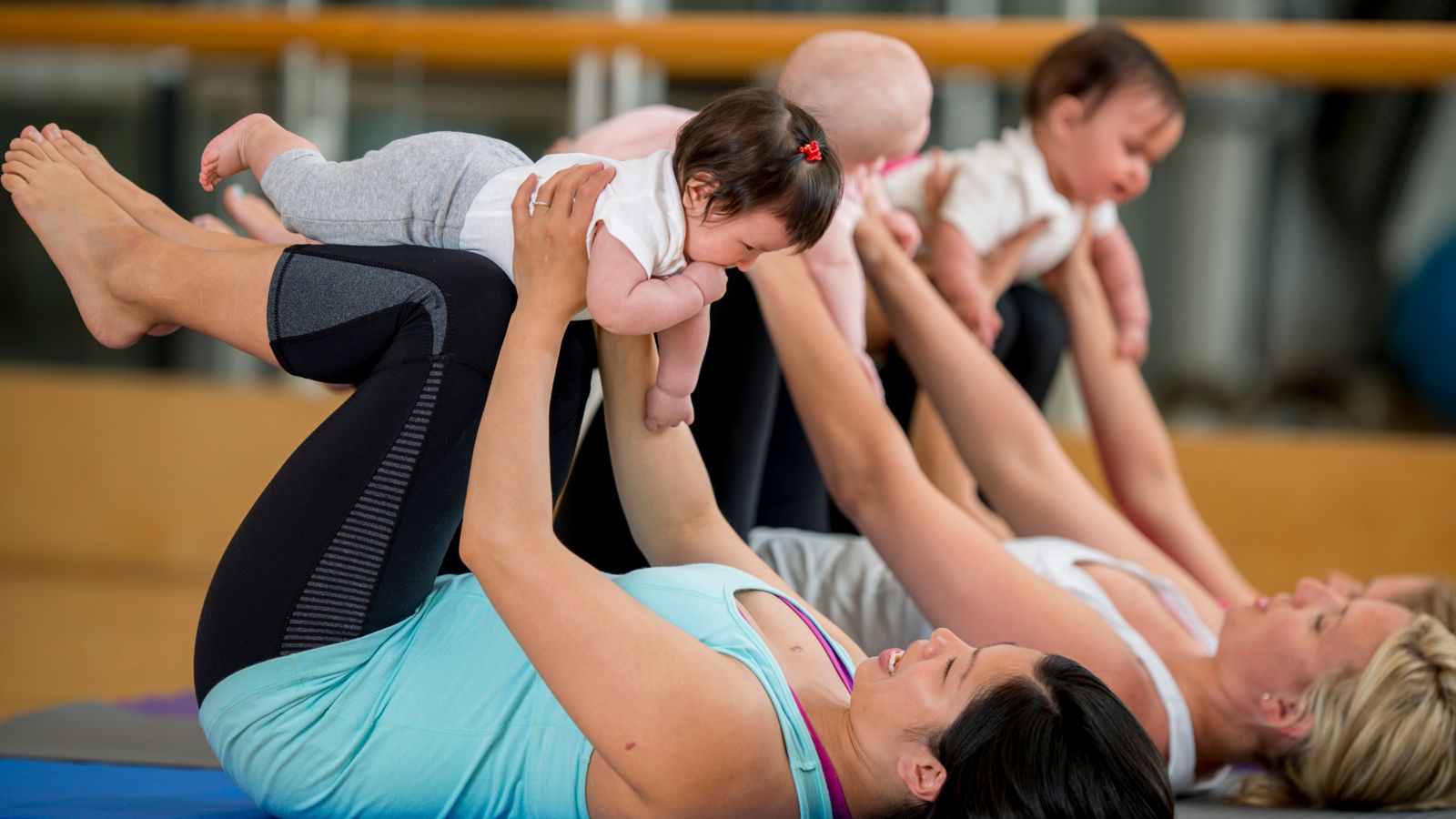
- Classes for babies and parents. Music, baby swim, stroller walks or infant massage. Anything with a regular schedule helps friendships grow.
- Faith and community groups. Many churches, synagogues, mosques and community centers have parent gatherings, nursery hours or meal teams.
- Postpartum groups. Your hospital, birth center or pediatrician's office may host new parent groups. Postpartum Support International also offers free online support groups, facilitated by trained peer supporters, including groups for military moms, NICU parents and parents of multiples.
- Parent groups at work. If your workplace has one, it can be a lifeline for swapping tips and cheering each other on.
- Your own street. The neighbor pushing a stroller past your window might be looking for a walking buddy.
Online communities count, too. In a 2025 Pew Research Center survey of U.S. parents with children 12 and under, about half (48%) of parents who visit online parenting communities said those spaces make them feel more connected to other parents. A good group chat at 2 a.m. can feel like a hand to hold.
How to say hello
Saying hello to a stranger can feel a little like the first day of school. Here's the secret: almost every other mom feels the same way, and she'll be glad you went first.
Start small. Ask how old her baby is, or compliment her baby's tiny shoes. Ask a real question: "How's sleep going?" Then, if it feels easy, make one simple next step: "We're here most Tuesdays. Want to walk a loop together next week?"
Not every hello becomes a friendship, and that's perfectly fine. Friendship is a numbers game played with a big heart. Keep showing up.
Keeping your old friends close
Your friends from before the baby still love you, even if you can't make it to dinner at 8 p.m. anymore. Invite them into your new life. Ask them over for coffee while the baby naps, or bring her along for a walk.
Keep asking about their lives, too: the new job, the trip, the breakup. Friends without kids may worry they'll be in the way, so tell them plainly that you want them around. A two-line text that says "Thinking of you" keeps a friendship warm through the busiest seasons.
The one thing to remember
You don't need a big circle. One or two people you can text when the day is long are enough to make a real difference. Start with one hello.
Lonely sometimes is normal
Even with a baby in your arms all day, you can feel lonely. Your days may be quiet, your partner may be back at work, and adult conversation can feel rare. Feeling lonely now and then is a common part of this season, and it doesn't mean you're doing anything wrong.
Sometimes, though, loneliness is a sign of something more. Pulling away from family and friends can be a symptom of postpartum depression. Talk with your doctor or midwife soon if low moods don't fade after two weeks, are getting worse, or make it hard to care for your baby or get through everyday tasks. Postpartum depression is not a weakness, any new mom can experience it, and prompt treatment can help you feel better and bond with your baby.
You can call or text the National Maternal Mental Health Hotline at 1-833-TLC-MAMA (1-833-852-6262). It's free, confidential and available 24 hours a day, 7 days a week, in English and Spanish. If you ever have thoughts of harming yourself or your baby, call 911, or call or text 988, right away.
Your people, found
One day you'll look up at a birthday party and see them: the mom from story time, the neighbor with the stroller, the old friend who still shows up with coffee. They found you, and you found them. That's your people.
Go say hello, Mama. Somewhere close by, she's hoping you will.
What to expect, when to check in, and what to ask at your checkup.
Where this comes from
This article draws on guidance from Pew Research Center and the Maternal and Child Health Bureau. It's here to help, not to replace your own doctor, midwife or pediatrician. If you have questions, ask them.
- How Parents Use Online Communities, Pew Research Center
- Weekly Online Support Group | Join a Free Group Today, Postpartum Support International
- Postpartum depression: Symptoms and causes, Mayo Clinic
- National Maternal Mental Health Hotline, Maternal and Child Health Bureau (HRSA)